Entry · Ref XSVJCQUE
Recognizing When a Tree Near Your Home Becomes a Hazard
- Posted
- 2026-11-17
- Last amended
- 2026-11-17
- Account
- @woodlandlots
Why Paying Attention to Your Trees Matters
Large trees add shade, beauty, and value to a property. But when a tree starts to decline or suffer damage, it can quickly become a danger to your home, your car, or your family. Knowing what to look for and when to act can help you avoid costly repairs and serious safety risks. This article walks through the key signs that a tree may be failing, what to check first, and how to decide if professional help is needed.
Start With the Ground Around the Tree
The health of a tree often shows first in the soil and roots. Walk around the base of the tree and look for raised soil, cracked pavement, or exposed roots. If the ground near the trunk seems to be lifting or if there are large cracks in the dirt, the root system may be failing. This is especially concerning after heavy rain or drought, when soil can shift and roots lose their grip.
Root decay is another early warning. Mushrooms growing at the base of the tree, soft or spongy bark near the ground, or a hollow sound when you tap the trunk low down can all point to root rot. A tree with compromised roots may not show obvious trouble in the crown until it is too late. If you see these signs near a large tree close to your house, it is worth having a professional look at it.
Check the Trunk for Cracks and Weak Spots
Once you have looked at the ground, move your attention to the trunk. Vertical cracks, deep splits, or areas where bark is peeling away can indicate structural weakness. A crack that runs all the way through the trunk is a serious issue. It may mean the tree is splitting under its own weight or from internal decay. Large trees with such cracks are at higher risk of falling, especially during storms or high winds.
Look also for seams where bark has grown over an old wound. These can hide decay that has been spreading inside for years. If you see a long, narrow crack that weeps sap or looks discolored, the tree may be under stress. In some cases, the crack is a sign that the tree has begun to fail and will need large tree removal before it falls on its own.
Examine the Crown and Branches
The upper part of the tree, called the crown, tells you a lot about its overall health. Crown dieback means that branches at the top are dying back, often starting at the tips. Deadwood throughout the crown, branches that have no leaves or bark that flakes off easily, is a sign that the tree is struggling. A healthy tree should have a full, even canopy. If you see large dead branches or patches of bare limbs, the tree may be losing its ability to stay stable.
When checking the crown, look for branches that cross or rub against each other. This rubbing can create wounds that invite pests and disease. Also watch for branches that hang directly over your roof, driveway, or play areas. Even a healthy-looking branch can break under heavy ice or wind, so it is wise to keep an eye on those high limbs.
Assess the Tree Lean
A tree that leans naturally may be perfectly safe if it has grown that way over many years. But a lean that appears suddenly, or that seems to be getting worse, is a red flag. To check, stand back and look at the tree from several angles. Compare the lean to nearby trees or to a vertical line like the edge of your house. If the tree leans more than 15 degrees from vertical, or if the lean is toward your home, it is worth having an expert evaluate it.
Pay attention to the soil around the base of a leaning tree. If the ground on the opposite side of the lean is raised or cracked, roots may be pulling up. This is a clear sign that the tree is at risk of falling. In such cases, large tree removal is often the safest option, especially if the tree could hit a building or a frequently used area.
Consider the Target Area
Even a healthy-looking tree can become a hazard if it is in a bad spot. The term "target area" means anything a falling tree or branch could hit: your house, a car, a deck, a shed, or a power line. A tree with no obvious defects may still be dangerous if it overhangs a structure. High winds, heavy snow, or a sudden storm can cause a seemingly sound tree to break.
Think about the direction the tree would fall if it came down. If that direction points at your bedroom or living room, the risk is higher. Some signs of structural weakness, like trunk cracks or root decay, make the tree more likely to fall in that direction. Regular inspections help you catch these problems before they become emergencies.
When to Call a Professional
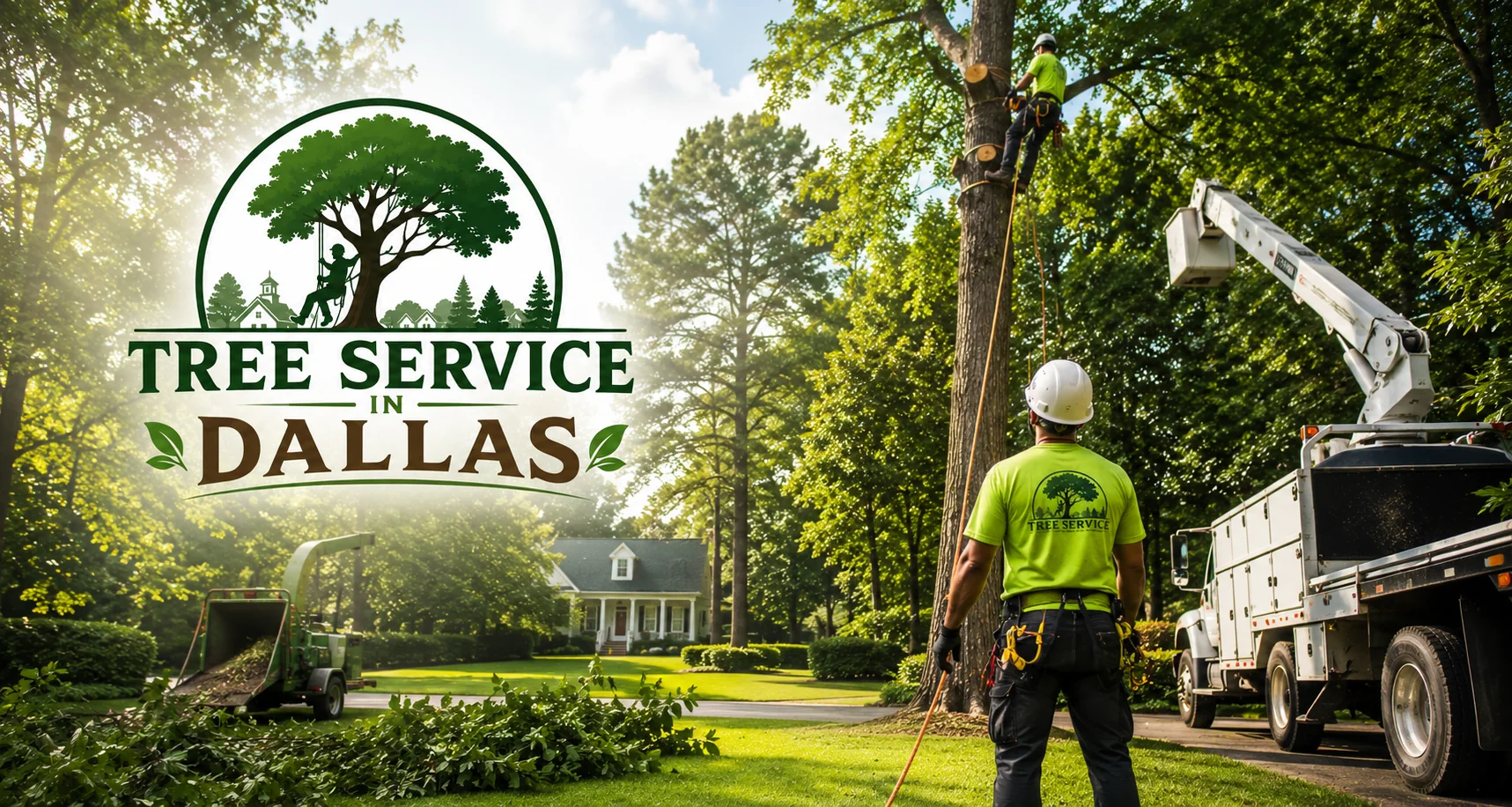
Many homeowners can spot the warning signs described here, but deciding what to do next is another matter. If you see any of the signs above, especially on a large tree near your home, it is time to call someone who does this work every day. A professional can climb the tree, inspect the crown up close, and check the root system with tools you do not have. They can also tell you if the tree can be saved with pruning and bracing or if it needs to come down entirely.
For a thorough evaluation of a tree that worries you, a service like treeserviceindallas.com offers the kind of careful inspection that homeowners rely on. Their team can assess the tree's condition, identify hidden risks, and recommend the right course of action. Whether it is trimming deadwood, removing a dangerous limb, or planning a full large tree removal, getting a professional opinion early can prevent a much bigger problem later.
What Happens During a Professional Assessment
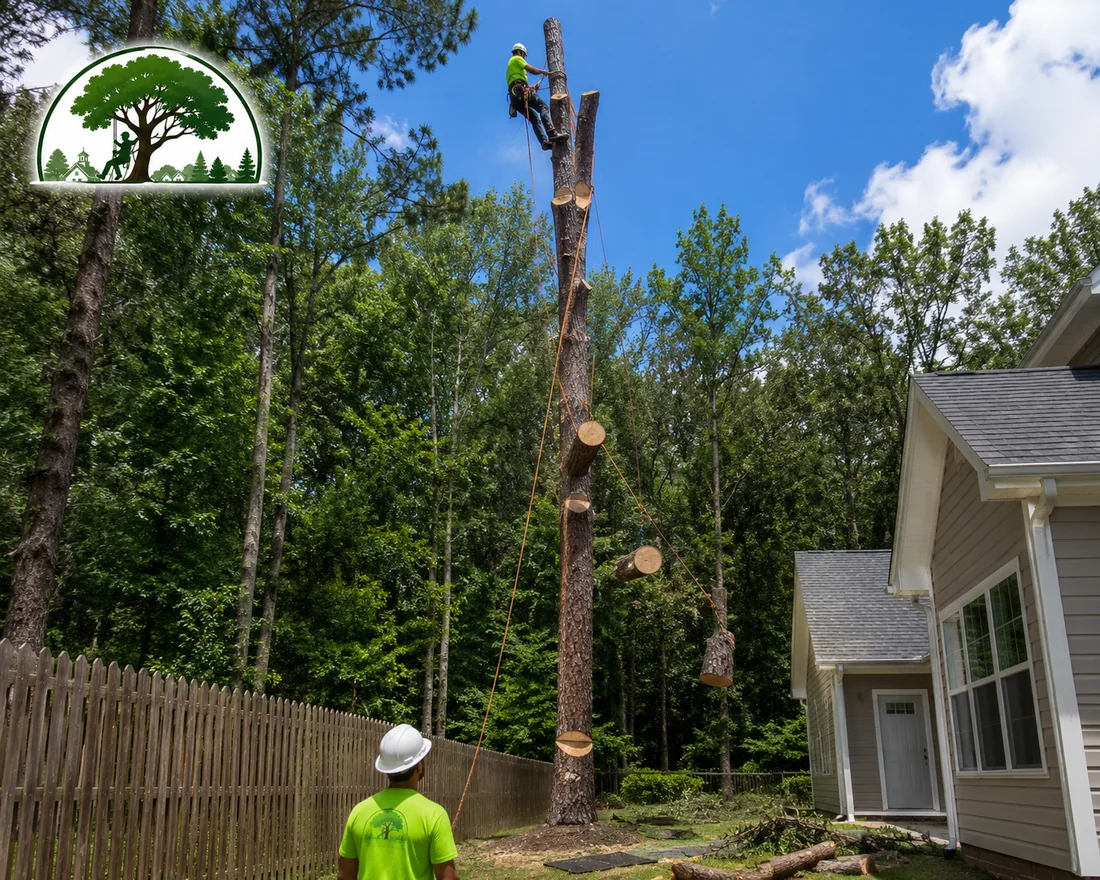
When an arborist arrives, they will walk the property with you and point out what they see. They look at the same things you looked at: soil condition, trunk cracks, crown health, and lean. But they also check for internal decay using a tool called a resistograph, which measures how much force it takes to drill into the wood. They may test the tree's stability by pulling on it with a rope. They will also note the felling direction, meaning the most likely path the tree would take if it fell, and check whether that path endangers any structures.
After the inspection, the arborist will give you a clear recommendation. If the tree is still healthy but has some dead limbs, they may suggest pruning. If it is structurally unsound, they will explain why removal is necessary. A good professional will not pressure you into removal if the tree can be saved. They will give you the facts and let you decide.
Why Acting Early Saves Money and Stress
Waiting until a tree falls is the most expensive way to handle a hazard. Emergency tree removal costs more than planned removal because of the urgency and the added difficulty of working around a fallen tree. There is also the risk of damage to your home, which can mean insurance claims, deductibles, and repair bills. Taking action when you first notice a problem is almost always cheaper and easier.
If you are unsure whether a tree is truly a hazard, err on the side of caution. A second opinion from a certified arborist costs a small fee and can give you peace of mind. Many tree care services offer free estimates, so you have nothing to lose by asking. For professional advice and safe removal when needed, treeserviceindallas.com provides a reliable option for homeowners in the area who want to keep their property safe.
Final Checks You Can Do Yourself
Even if you decide to call in a pro, there are a few simple things you can do regularly. Walk your property after a storm and look for new cracks, broken branches, or changes in lean. Clear debris from around the base of trees to prevent rot. Keep an eye on the soil moisture; trees need water, but too much or too little can weaken roots. And if you see a tree that has lost a large limb or has developed a sudden lean, do not wait. That is the time to get help.
Large trees are a long-term investment in your home's landscape. With a little attention and the right help when needed, you can enjoy their beauty without worrying about the risks. Knowing the signs of a hazard tree is the first step toward keeping your family and your home safe.